Local Compliance

Benchmarking Standards for St. Louis Buildings
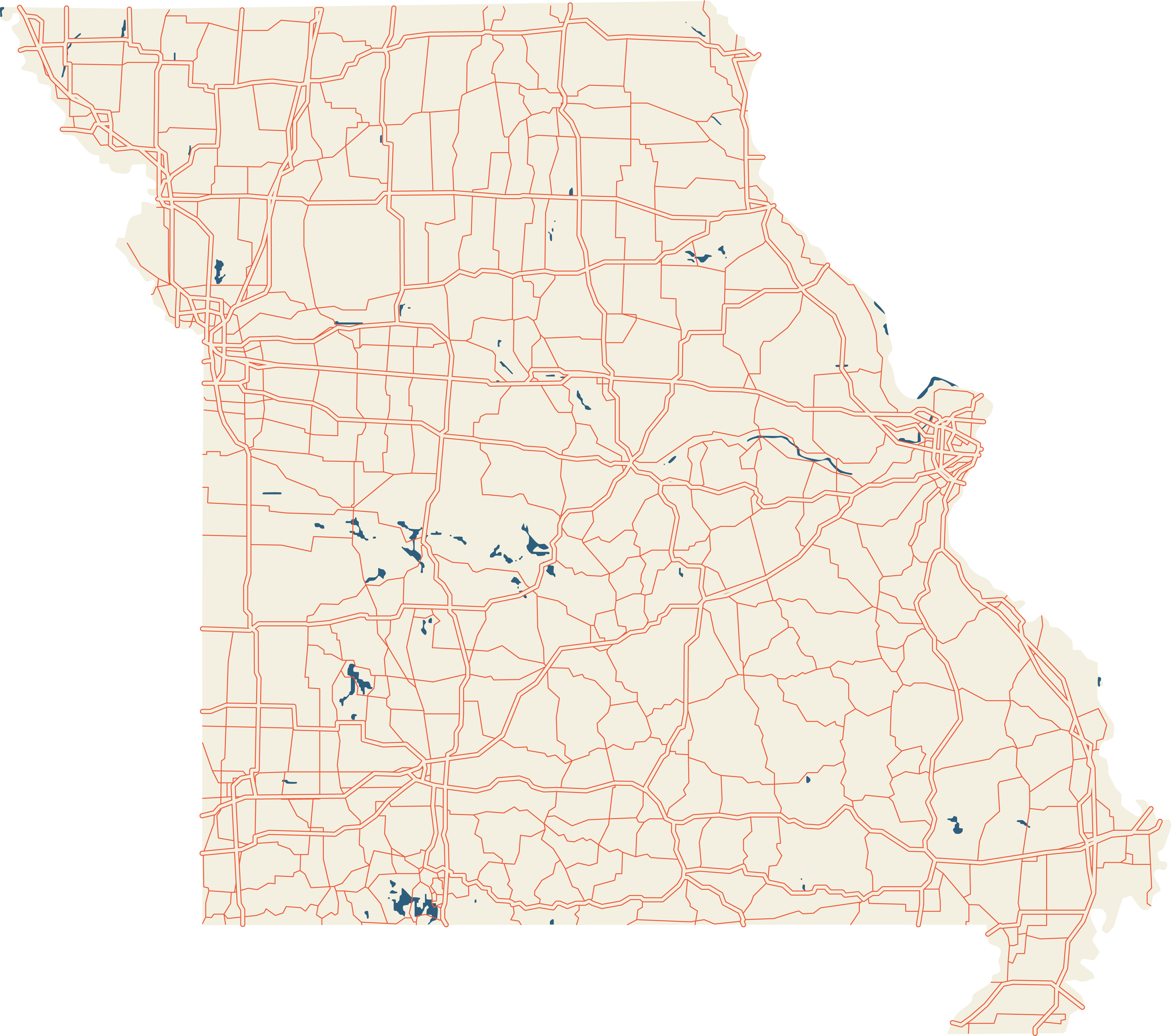
St. Louis MO map

Our Mission‑Driven Approach in St. Louis

St. Louis Building Energy Performance Standards

St. Louis’s standards, established in 2020, affect public, commercial, and multifamily properties over 50,000 square feet. The city sets site EUI thresholds every four years, aiming to position targets at or below the 65th percentile of local building performance. Compliance pathways include meeting direct performance thresholds, early overachievement incentives, partial improvements, or custom compliance plans. Noncompliance can lead to daily fines and difficulty renewing occupancy permits. Single-family homes, industrial, and some special-use buildings are exempt.

Performance Targets/Standards

Standards to be set no lower than the 65th percentile by property type, so that at least 65% of the buildings of the property type have a higher EUI. The Office of Building Performance will issue new performance standards at the end of each compliance cycle.

Compliance Cycle

Every four years for most buildings, beginning May 2021. Most buildings will have a four year compliance cycle to meet the standard. Qualified affordable housing buildings and houses of worship will have a six year compliance cycle to meet the standard. There will be one year in between each compliance cycle to recalculate the standard for the next cycle.

Compliance Pathways

There are four compliance pathways under the St. Louis BEPS: 1) Performance Path: properties that hit the target for their Property Type will be compliant for that cycle. 2) Early Adopter Path: Properties that both (a) hit the target for their property type and (b) achieve at least 20%/50% reduction in their EUI compared to Baseline year performance can be compliant for that cycle and the next 1-2 cycles. 3) Narrow the Gap Path: Properties that are unable to hit their target achieve compliance by reducing their EUI to halfway between their property baseline and target. This is only available for the first 2 compliance cycles and to properties that submitted a valid 2018 benchmarking report. 4) Custom Alternative Compliance Path (CACP): Properties that demonstrate they can neither hit their target (Paths 1 & 2) nor Narrow the Gap due to unique limitations may apply for an CACP, which entails undergoing a 3rd-party energy audit and obtaining OBP approval of a proposed plan of action.

Enforcement

If data is not reported and an alternative compliance plan is not presented within 60 days of the compliance date, a fine between $1 - $500 is issued for each day beyond the 60 days. Withholding and/or denial of occupancy permits.

Exemptions

Single family housing; primarily used for industrial or manufacturing purposes, water treatment, communications infrastructure, or as a data center; stand alone parking lots or garages that are not a part of a larger property. Other exemptions: • Demolition permit issued or demolition is planned during the compliance cycle; • Financial hardship or if compliance would not be in public interest; • Primary use of building is industrial; • Property is communications infrastructure; • Property is owned by the state or federal government.

Request Your Energy Audit

Your request will be processed by our email delivery service.

Thank you! Your submission has been received!
Oops! Something went wrong while submitting the form.